Steam
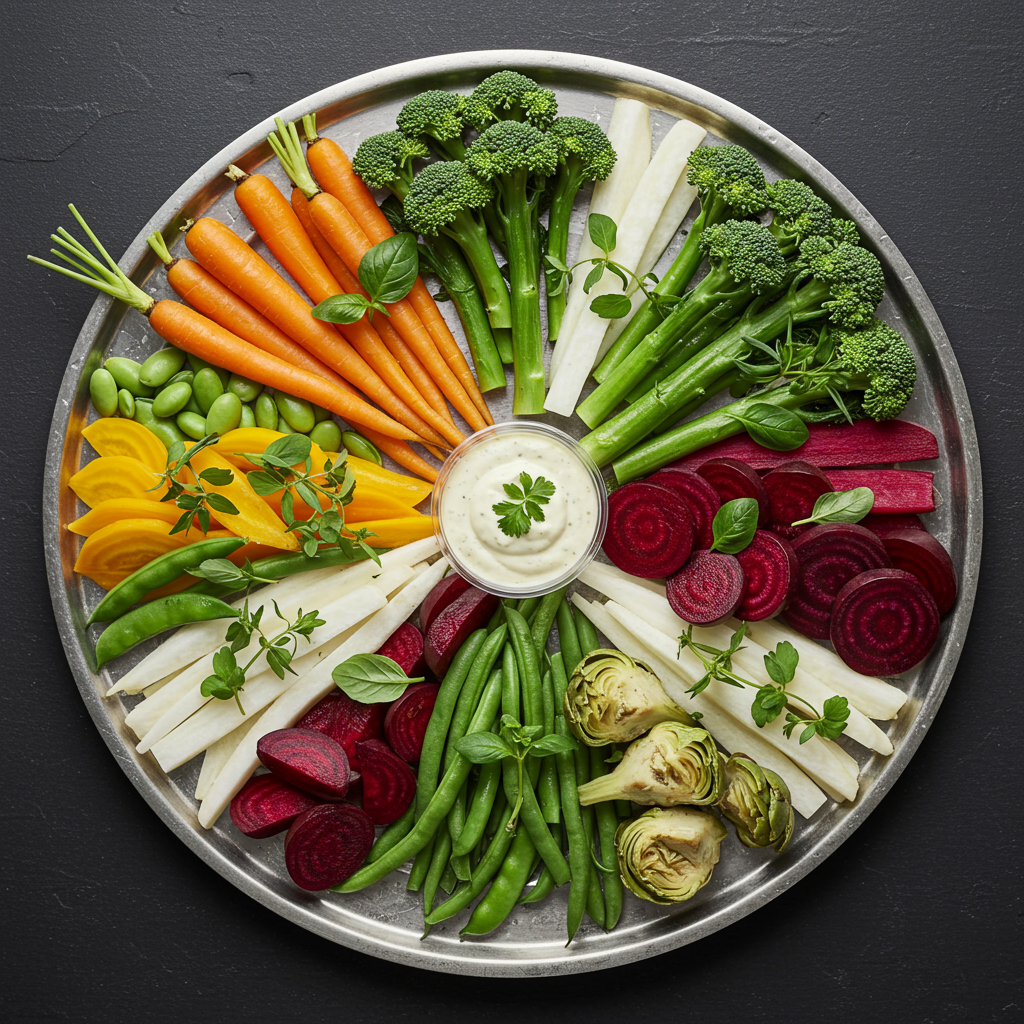
Preserves color and nutrients in vegetables. Use a basket; avoid overcrowding.
Technique guides focus on efficiency, food safety, and flavor balance. Educational content only—we do not sell kitchen devices or promise specific personal results.
Foundations
Stable cutting boards, a sharp chef knife, and consistent piece sizes help food cook evenly. Wash produce before cutting; sanitize surfaces after raw protein contact.
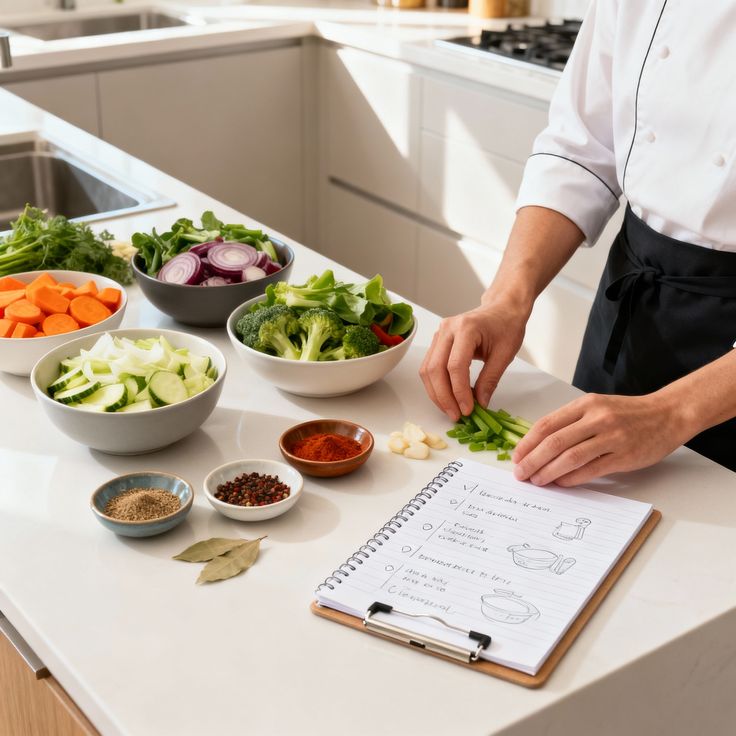
Mise en place means measuring spices and chopping aromatics before heat hits the pan. The habit reduces stress during busy evenings.
Preserves color and nutrients in vegetables. Use a basket; avoid overcrowding.
High heat caramelizes natural sugars. Toss vegetables with a thin coat of oil.
Quick cooking over medium-high heat. Add garlic toward the end to prevent burning.
Gentle bubbles for soups and legumes. Skim foam when it appears.
Submerge eggs or fish in barely moving liquid for delicate texture.
Allow cooked proteins to rest before slicing so juices redistribute.
Follow USDA guidance: keep cold foods cold, hot foods hot, and avoid cross-contamination between raw meat and ready-to-eat items. Use a food thermometer for poultry and ground meats.
Refrigerate leftovers within two hours of cooking (one hour if ambient temperature is above 90°F). Reheat to 165°F for most leftovers.
Batch cooking
Cook a large pot of brown rice or quinoa. Simultaneously prepare a batch of lentils or beans.
Roast mixed trays while washing salad greens and storing them dry with paper towels.
Blend herb dressings or simmer a simple tomato base. Cool before refrigerating in sealed jars.
Lemon, vinegar, or fermented vegetables brighten plates and reduce reliance on salt.
Onion, garlic, ginger, and herbs create depth when sautéed in a small amount of oil.
Toasted seeds, crushed nuts, or crisp vegetables add contrast to soft bases.
8-inch blade, honing steel, cutting board.
Medium saucepan, large stockpot, sheet pans.
Glass containers with lids, labels, and freezer-safe bags for portions.
Digital probe thermometer for safe internal temperatures per USDA guidance.
Explore spice combinations as educational themes: Mediterranean herb blends, mild chili profiles, or citrus-forward finishes. Start with small amounts and taste as you go.
Plan meals around perishable items first. Freeze bread ends for croutons, save vegetable scraps for broth, and track what you discard for a week to spot patterns.